
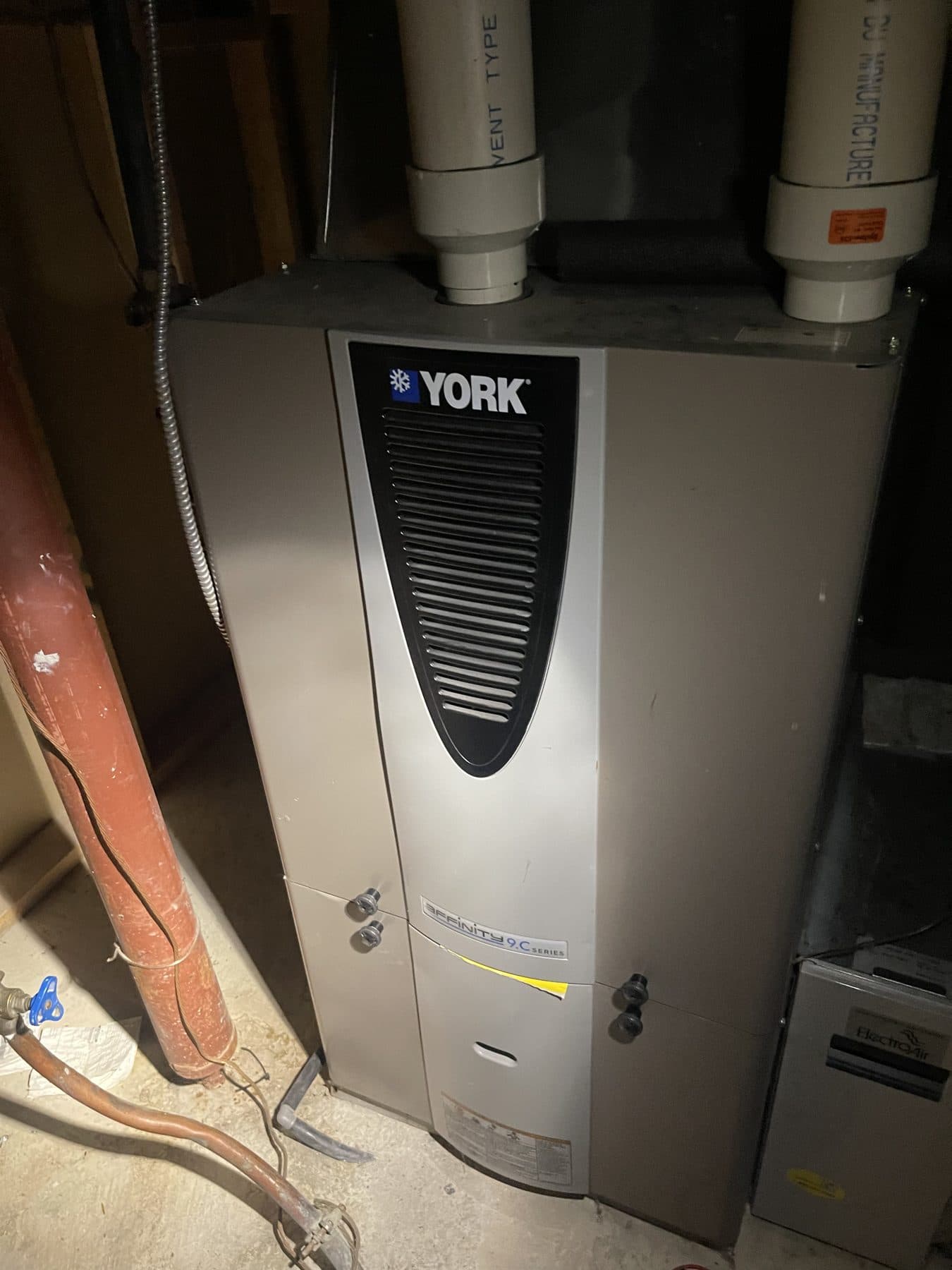
Heating
Furnace Repair & Replacement Toronto
Gas furnace repair, annual maintenance, and furnace replacement across Toronto and the GTA. Not starting, short-cycling, or blowing cold? We test the furnace, find the failed part, and quote in writing before any work starts.
- Written quote before work
- Residential + commercial
- Toronto and the GTA
Open 24 hours, 7 days a week. Call anytime.
Signs
Signs You Need Furnace Repair in Toronto
If two or more of these sound familiar, call before it becomes a no-heat or no-cooling night.
- Furnace starts, runs a minute, and shuts off again
- Rooms are colder than the thermostat says they should be
- Burner flame is yellow or flickers instead of a steady blue
- Banging, rattling, or squealing on start-up
- Gas bill climbed with no change in how you use the house
- Furnace is 15 years old and has had two repairs in two winters
Timing: Book furnace maintenance in September or October. Once the first cold snap hits Toronto, no-heat calls fill the schedule.
Toronto and the GTA
Furnaces in Toronto homes
Close to six in ten Toronto homes were built before 1981, so most furnaces we see sit in basements, chimneys, and duct systems designed decades before the equipment now in them. That age shapes how a furnace should be repaired, vented, and replaced. Here is what we look for in Toronto houses in particular.
- 01
Chimney-vented furnaces and the water heater left behind
Older mid-efficiency furnaces often share a chimney with a gas tank water heater. A new high-efficiency furnace vents through the wall in PVC, which can leave the water heater alone on a flue sized for two appliances. We check that flue on every conversion and tell you if it needs a liner or its own venting.
- 02
Tight basements and low ceilings
Semis and older detached houses often have narrow stairs, low ceilings, and a furnace squeezed into a corner. We measure the space and the path in and out before quoting, so the new unit fits and can still be serviced from the front.
- 03
Furnaces closed into finished basements
A furnace boxed into a small room needs enough combustion air and a clear path for the filter and panels to come off. We check both, because a finished wall built too close can starve the burner or make maintenance impossible.
- 04
Post-war bungalows on original ductwork
Bungalows and side-splits across Scarborough, North York, and Etobicoke often still run the ductwork put in when they were built. Returns can be small and supply runs leaky. We look at the ducts along with the furnace, since a new unit on restricted ducts runs loud and short-cycles.
- 05
Matching the furnace to the AC coil
The AC coil usually sits on top of the furnace, and the furnace blower moves the air across it. When we replace one, we check that the blower and coil still suit each other, so the house cools properly next summer as well.
- 06
If you smell gas
Natural gas in Toronto and the GTA is supplied by Enbridge Gas. If you smell gas, leave the house, do not use light switches or anything electrical, and call Enbridge Gas's emergency line or 911 from outside. Call us about the furnace once the gas utility has made the house safe.
Common Furnace Problems We Fix in Toronto
The calls that come in most, and what is usually behind them.
Furnace will not turn on
Likely causes are the thermostat, a tripped service switch, a safety lockout, or a failed igniter. We check them in that order and read any fault code on the board.
Blows cold air
Often a dirty flame sensor, an ignition fault, or a gas supply problem, and sometimes just the fan running its normal cycle. We watch a full start-up to see where it stops.
Short cycles on and off
Usually restricted airflow from a dirty filter, closed vents, or undersized returns, or a furnace too big for the house. We check the filter, static pressure, and the high-limit switch.
Banging or rattling noises
Banging on start-up is often delayed ignition, and rattling can be a loose panel or a failing blower motor. We inspect the burners and the blower assembly.
Higher gas bills with no change in comfort
Can point to a dirty burner, poor airflow, or a furnace near the end of its life, and occasionally a cracked heat exchanger. We check combustion, the heat exchanger, and the ductwork.
Igniter or pilot keeps going out
Often a dirty flame sensor or a draft problem in the venting, which is common on shared chimneys. We check both before we replace any parts.
Repairs, maintenance, and replacement for furnaces
Repairs
No heat, short cycling, strange noises, or a furnace that will not stay lit. We find the cause first, then replace only the part that failed.
Maintenance
Annual furnace maintenance covers the burners, heat exchanger, flame sensor, filter, and safety controls. Book it before the first cold snap, when the no-heat calls start.
Replacement
When a furnace is past repair, we size the new one to your house's heat loss. The label on the old unit is only a starting point.
Combustion and venting checks
We check gas pressure, combustion air, and venting on every furnace call. A furnace that is wrong on any of these is not safe to run, and we will tell you before we leave.
Furnaces we install
Examples, with the manufacturer's published specs. We size the unit to the house, then pick the model.
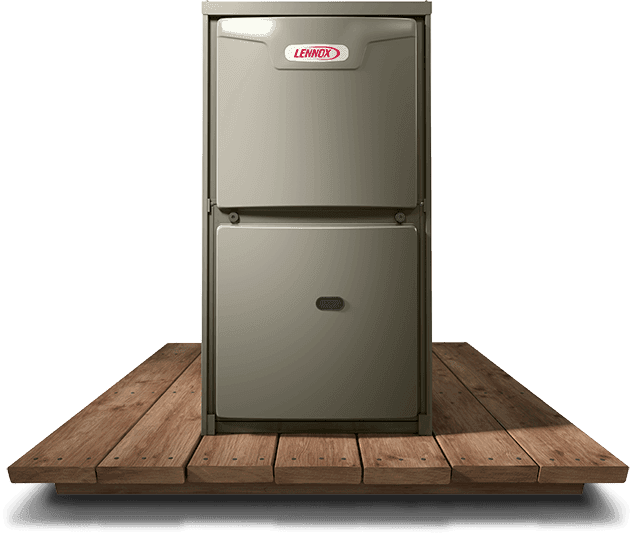 up to 96% AFUE

Lennox ML196E
Merit® Series · Single-stage · 96% AFUE · ENERGY STAR®
An efficient single-stage 96% furnace with a power-saving constant-torque blower: a strong-value high-efficiency upgrade for most Toronto homes.
- Efficiency
- Up to 96% AFUE
- Heating
- Single-stage
- Blower
- Constant-torque
- Heat exchanger
- 20-yr warranty
Full specs (manufacturer)
- Series
- Merit® Series
- Efficiency (AFUE)
- Up to 96%
- Heating stage
- Single-stage
- Blower motor
- Power Saver™ constant-torque
- Heat input range
- 30,000 – 132,000 BTU/h
- Ignition
- SureLight® Silicon Nitride ignitor
- Dual-fuel capable
- Yes (pairs with a heat pump)
- Heat exchanger warranty
- 20-year limited
- Parts warranty
- 5-year (10-year with registration)
- Certifications
- ENERGY STAR® qualified
ENERGY STAR certified as published by the manufacturer for this model.
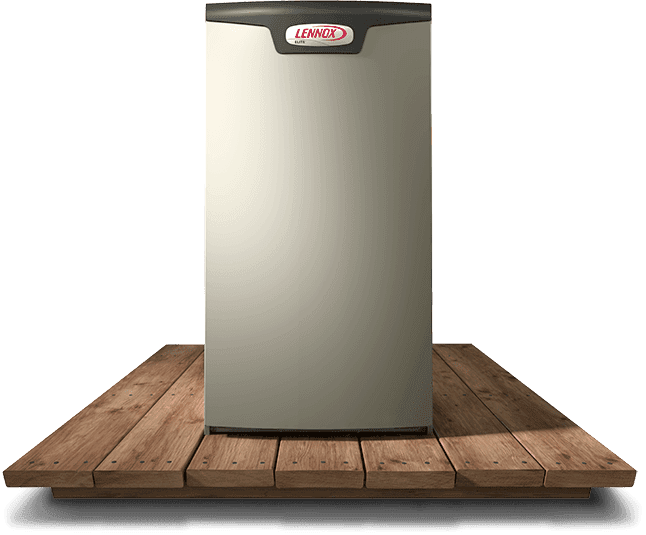 up to 97% AFUE
Lennox EL297V
Elite® Series · Two-stage · Variable-speed · 97% AFUE · ENERGY STAR®
Lennox's premium two-stage furnace with a variable-speed blower: whisper-quiet, even heat at up to 97% efficiency, and dual-fuel ready.
- Efficiency
- Up to 97% AFUE
- Heating
- Two-stage
- Blower
- Variable-speed
- Heat exchanger
- Lifetime warranty
Full specs (manufacturer)
- Series
- Elite® Series
- Efficiency (AFUE)
- Up to 97%
- Heating stage
- Two-stage
- Blower motor
- Variable-speed (ramps airflow up/down)
- Heat input range
- 44,000 – 110,000 BTU/h
- Dual-fuel capable
- Yes (pairs with a heat pump)
- Heat exchanger warranty
- Limited lifetime
- Parts warranty
- 5-year (10-year with registration)
- Certifications
- ENERGY STAR® Certified
ENERGY STAR certified as published by the manufacturer for this model.
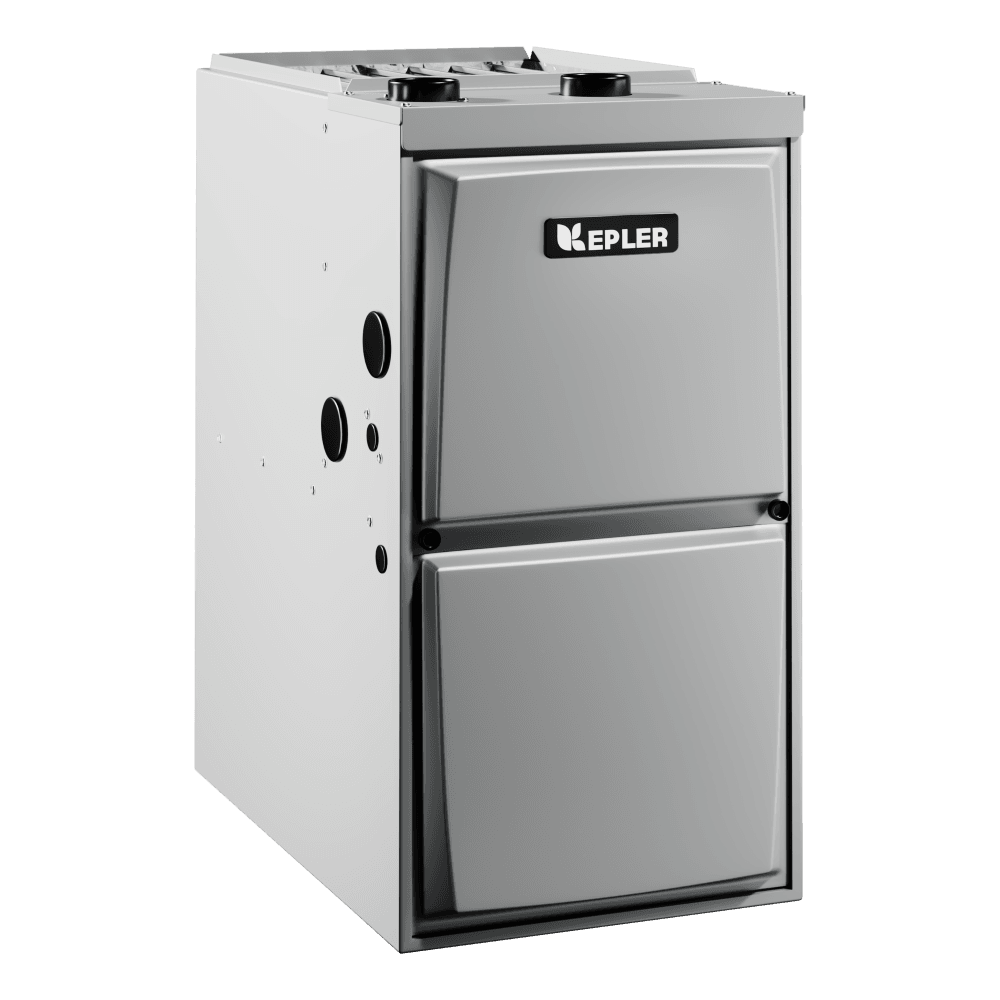 96% AFUEKepler
Kepler Essential One 96
Essential One · Single-stage · 96% AFUE · ENERGY STAR®
High-efficiency 96% AFUE heating with an energy-saving constant-torque blower and a limited-lifetime heat exchanger warranty.
- Efficiency
- 96% AFUE
- Heating
- Single-stage
- Blower
- Constant-torque
- Heat exchanger
- Lifetime warranty
Full specs (manufacturer)
- Series
- Essential One 96
- Efficiency (AFUE)
- 96%
- Heating stage
- Single-stage gas valve
- Blower motor
- Multi-speed high-efficiency constant-torque (up to ⅓ less energy)
- Heat input sizes
- 45,000 · 70,000 · 90,000 · 110,000 · 135,000 BTU/h
- Cabinet (090 model)
- 21" W × 27¾" D × 33" H (varies by size)
- Heat exchanger warranty
- Limited lifetime (with registration)
- Parts warranty
- 10-year limited
- Certifications
- ENERGY STAR® Certified · Low-NOx models available
ENERGY STAR certified as published by the manufacturer for this model.
Specs as published by each manufacturer. Models shown are examples; the unit we quote depends on the house.
Your options: types, not brands. We match the type to the house, then pick the unit.
Single-stage
Runs at full output whenever it is on, then shuts off. Simple and common in older homes.
Best for: Smaller homes and straightforward duct systems
- Simple
- Fewer parts
Two-stage
Runs on a low setting most of the time and steps up to full output in the coldest weather.
Best for: Two-storey houses with temperature swings between floors
- Steadier heat
- Quieter
Modulating
Adjusts output in small steps instead of jumping between fixed stages, so it runs long and low most of the season.
Best for: Homes that want the most even temperature control
- Most even heat
- Runs longer, lower
How a visit goes
- 01
Tell us what it is doing
Call or send the form. Equipment, what it is doing, and where you are.
- 02
We look at it and give a straight answer
The whole system, including the part that did not fail yet. You get the options in plain words.
- 03
Fix or replace, your call
Written quote first. No work starts until you say so.
Sizing
Furnace Sizing for Toronto Homes
A furnace that is too big heats the house in short bursts, short-cycles, and wears out faster. One that is too small runs constantly on a minus 15 °C night and still cannot keep up. Square footage gets you in the neighbourhood, but an old semi with original windows loses heat very differently from a newer house of the same size. We do a load calculation on your house and size the furnace from that.
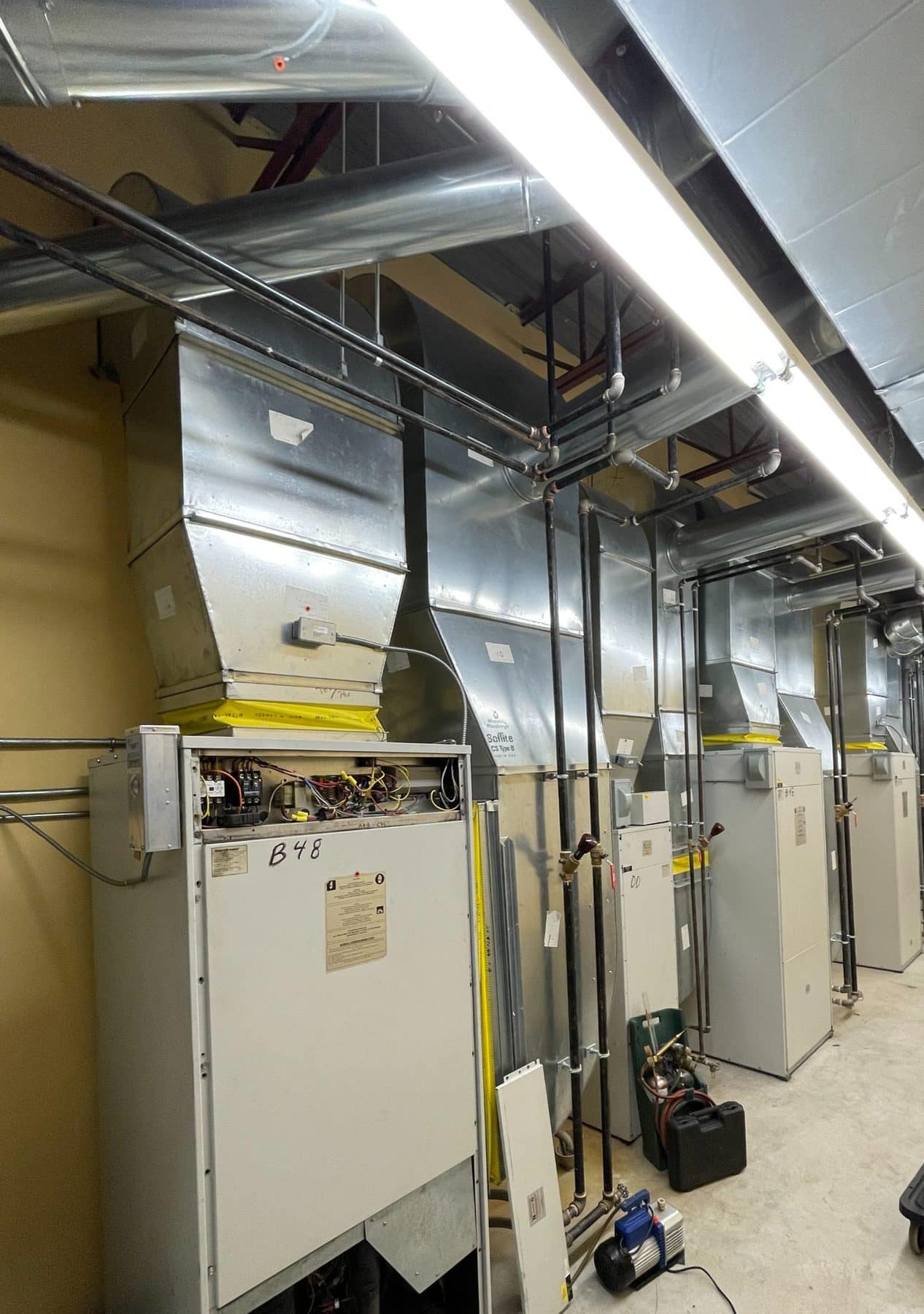 Mechanical room
Repair or replace
Repair makes sense when
- The furnace is under 15 years old
- This is the first real repair
- The heat exchanger is intact
- The part is a sensor, igniter, motor, or control board
Replacement makes sense when
- It is 15 or more years old and losing efficiency
- It has needed two or more repairs in the last two winters
- The heat exchanger is cracked
- Gas bills keep rising after maintenance
We tell you which side you are on after the visit, in writing. Standard gas furnaces are not covered by rebates. If a heat pump could work in your house, we will tell you that too.
What moves the price
Factors, not numbers. We quote after we see it.
Size of the furnace
Matched to your house's heat loss. The old unit's size is only a hint.
Single-stage, two-stage, or modulating
More stages mean more parts and more controls.
Ductwork condition
Whether the existing ducts and returns can handle the new unit or need changes.
Venting and the water heater
A high-efficiency furnace needs new PVC venting, and a water heater left on the chimney may need a liner or its own vent.
Access and location
Narrow stairs, low ceilings, or a furnace in a finished room take longer than an open basement.
AC coil match
Whether the existing AC coil suits the new furnace or needs to be changed at the same time.
Written quote after the visit. No work starts until you say so.
Furnaces: brands we install and service









Ways to pay
Paying for an install
Ask about payment options when we quote the job. The written quote lists the equipment and the work, so you have the full number before you decide.
Furnaces, answered
How often should a gas furnace get maintenance?
Once a year, ideally in September or October. Maintenance catches a dirty flame sensor or a weak igniter before it becomes a no-heat call on the first cold night.
How long does a furnace last?
Most gas furnaces run 15 to 20 years with regular maintenance. Age is only one sign. Rising repair calls and gas bills matter too.
My old furnace shares a chimney with the water heater. What happens when I switch to high-efficiency?
The new furnace vents through the wall in PVC, so the water heater is left alone on a chimney that was sized for two appliances. That can cause poor draft. We check it during the quote and include a liner or separate venting if the water heater needs it.
Can you replace a furnace in a tight Toronto basement or a finished utility room?
Usually, yes. We measure the stairs, the ceiling height, and the space around the furnace before quoting. If a finished wall blocks combustion air or service access, we tell you what needs to change.
I smell gas near the furnace. What should I do?
Leave the house right away and do not use light switches, phones, or anything electrical inside. Call Enbridge Gas's emergency line or 911 from outside. Once the house has been made safe, call us to look at the furnace.
What size furnace does my house need?
It depends on your house's heat loss, which square footage alone does not tell you. Insulation, windows, and air leaks in an older Toronto house change the number a lot. We calculate it on site before quoting a size.
Furnaces by area
Related services
Before you decide
- Furnace replacement cost in Toronto: what sets the price
- Repair or replace your furnace: how to decide
- How often to replace a furnace filter
- Should you replace your furnace and air conditioner together?
- Heat pump cost in Ontario: what actually sets the price
- Water heater replacement cost: what sets the price in Toronto
- Tankless vs. tank water heater: which fits your house
- Heat pump vs. furnace in Toronto: how to choose
- AC not cooling? What to check before you call
- AC repair: what it costs and what to expect
Get a written quote for furnaces
We call you back
At the number you gave us, to ask what the equipment is doing.
We book a window
A day and time that works. Scheduled visits outside the regular route.
Written quote before work
You see the number before anything is replaced. Nothing starts until you say so.