
Built for property managers
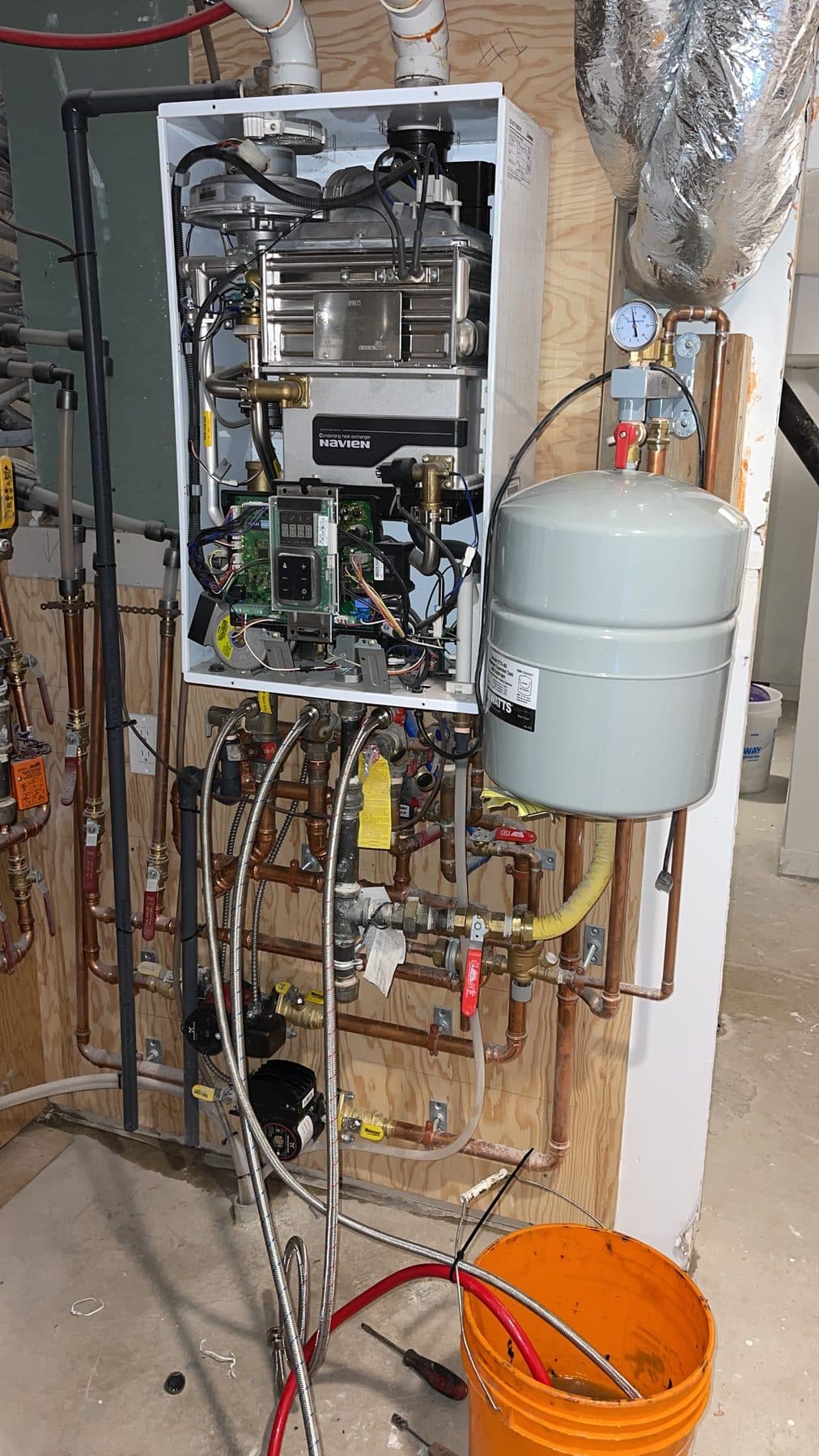
Toronto has a large stock of mid-century low-rise rental buildings, and a lot of them still heat from a single boiler system in a basement mechanical room. That's a different kind of call than a single-family home: one fault reaches every suite, tenants call the building office rather than us directly, and access means notices and building keys rather than a homeowner letting us in.
We work with the property manager or superintendent on scheduling, access, and tenant notice for anything beyond a quick check.
One boiler, every suite
When a building runs on one or two boilers feeding every suite, a boiler fault doesn't stay contained to one unit the way a furnace failure would in a house. That's part of why we check the boiler system, the pumps, and the controls together rather than waiting for a full outage. See commercial boiler service for how a mechanical room visit works.
When one suite runs hot and another runs cold
Uneven temperatures across suites usually come from one of a few places: a stuck valve or damper feeding one zone, a circulating pump not moving enough water to a far corner of the building, or a control setup that's drifted out of balance over the years. We check the distribution system, not just the boiler, since the boiler can be working exactly as it should while one wing of the building still runs cold.
Rooftop equipment on low-rise buildings
Some low-rise apartment buildings run rooftop units instead of, or alongside, a boiler system, especially where common areas or a superintendent's suite are on separate equipment from the main heating loop. We service that rooftop equipment the same way we do on a plaza roof: filters, belts, coils, and the economizer, checked on a schedule rather than only after a complaint.
Tenant notices and access
Work that affects heat or hot water to the building needs advance notice to residents, and access to suites for anything beyond common-area equipment needs the notice period the building normally uses for entry. We build the visit around whatever notice and access process the property manager already has in place, rather than asking the building to change how it does things for one appointment.